|
Quellen : Institute of Medicine (IOM), The Food and Drug Administration FDA and Harvard Medical School Testosteron-Therapie
bei gesunden älteren Männern
|
IMPOTENZ-THERAPIE
Schulmedizin und Alternativmedizin vorurteilsfrei nutzen.
- ein Internet-Auftritt des Info-Netzwerk Medizin 2000 -
https://www.impotenz-therapie.medizin-2000.de
Bildnachweis: Fotolia,
aktualisiert:
14.12.25, Uhrzeit: 19.46
Themenwebsites
Medizin A - Z
im Info-Netzwerk
Medizin 2000
20.8.2025
WERBUNG IM INFO-NETZWERK MEDIZIN 2000
Ein Mausklick auf eine Anzeige ruft die gewünschte Website auf.
Im Bereich des Gesundheitswesens tätige Personen und Unternehmen können hier über ihre Anliegen wie Meinungen zu gesundheitspolitischen Themen, über besondere Kompetenzgebiete, soziales Engagement sowie angebotene Produkte bzw. Dienstleistungen werbend informieren.
29.1.2025
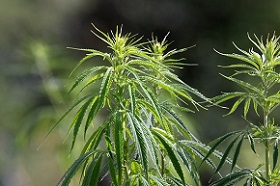
Bio-Nutzhanf-Produkte sollen bei Mensch und Tier bei Gesundheitsstörungen die Kräfte der Natur unterstützen.
Innovative Unternehmen stellen in enger Kooperation mit engagierten Bio-Landwirten - Cannabis-Bio-Produkte her, die ausschließlich aus EU-zertifiziertem Bio-Saatgut gezogen werden.
Diese enthalten naturbelassene, stoffwechselaktive Pflanzenbestandteile wie unter anderem Cannabidiol (CBD), Cannabigerol (CBG) oder das psychoaktive Tetrahydrocanabinol (THC).

Wenn im Blut werdender Mütter zu geringe Mengen des Schutz-Vitamins Folsäure enthalten sind, können die Kinder Kinder mit schwersten, lebensgefährlichen Missbildungen zur Welt kommen.
Ein Mangel an Vitamin Folsäure muß daher unbedingt schon vor Beginn einer geplanten Schwangerschaft durch die vorbeugende Einnahme von in jeder Apotheke rezeptfrei erhältlicher Folsäure-Tabletten beseitigt werden.

Unternehmen haben mit dem populären Thema "Kater nach Alkoholexzess" eine Marktlücke entdeckt. und bieten zur Vorbeugung von Schwindel, Übelkeit und quälenden Kopfschmerzen die unterschiedlichsten Wirkstoff-Kombinationen an.
Diese nicht standardisierten Wirkstoff-Mixturen enthalten u.a. Enzyme, Proteine sowie Vitamine und Spurenelemente.
Am bekanntesten ist das Nahrungsergänzungsmittel Myrkl des schwedischen Probiotika-Herstellers
De Faire Medical.
Myrkl ist ohne Rezept frei verkäuflich und enthält den bioaktiven Wirkstoff AB001 der nach Herstellerangaben dafür sorgt , dass der im Blut gelöste Alkohol bereits im Darm "aufgespalten" wird - bevor er Leber-Zellen schädigen und am Morgen danach den gefürchteten "Alkohol-Kater" auslösen kann.

Weltweit helfen viele ehrenamtlich tätige Idealisten sehbehinderten Menschen mit Hilfe der kostenlosen Smartphone- APP
"Be My Eyes" die Herausforderungen des Alltags besser zu bewältigen.

Atemgas-Analysen helfen bei der Diagnostik und dem Therapie-Management von weit verbreiteten Erkrankungen der Atemwege wie chronischer Bronchitis, Asthma. oder COPD
Das angesehene Medizintechnik-Unternehmen Specialmed hat sich seit vielen Jahren auf Atemgas-Analysen spezialisiert und bietet Therapeuten und betroffenen Patienten kleine und leicht zu bedienende Atemgas-Analyse-Geräte an.
Schwerpunkte der Anwendung sind der FeNO-Atemtest zur Asthma-Diagnose und dem schwierigen Management der Asthma-Therapie.
Der H2 Atemtest, u.a. zur Diagnose einer Laktose-Unverträglichkeit und der ToxCO-II Atemtest zur Erkennung von Kohlenmonoxid- Vergiftungen und zur Raucherentwöhnung.
Wichtige Links sind hier aufgelistet:
Website Specialmed
Atemgas Analysen
Nobreath für FeNo-Atemtest
Gastrolyzer für den H2 Atemtest
Smokerlyser für die Raucherentwöhnung
Anwendung von Thymus-Medikamenten in der Alternativmedizin:
Eine Behandlung mit und die Herstellung von Thymus-Peptiden ist laut zahlreicher Urteile deutscher Verwaltungsgerichte weiter legal möglich - solange die Medikamente nicht gespritzt werden.
In den Apotheken rezeptfrei erhältliche Thymus-Homöopathika sind in Form beliebter Spritzenkuren ein für die Tumor-Begleittherapien und für die Vorbeugung bzw. Behandlung einer Immunschwäche geeigneter Ersatz für Thymus-Peptid-Spritzen.
Ein Mausklick auf eine Anzeige ruft die gewünschte Website auf.
Im Bereich des Gesundheitswesens tätige Personen und Unternehmen können hier über ihre Anliegen wie Meinungen zu gesundheitspolitischen Themen, über besondere Kompetenzgebiete, soziales Engagement sowie angebotene Produkte bzw. Dienstleistungen werbend informieren.
29.1.2025
Bio-Nutzhanf-Produkte sollen bei Mensch und Tier bei Gesundheitsstörungen die Kräfte der Natur unterstützen.
Innovative Unternehmen stellen in enger Kooperation mit engagierten Bio-Landwirten - Cannabis-Bio-Produkte her, die ausschließlich aus EU-zertifiziertem Bio-Saatgut gezogen werden.
Diese enthalten naturbelassene, stoffwechselaktive Pflanzenbestandteile wie unter anderem Cannabidiol (CBD), Cannabigerol (CBG) oder das psychoaktive Tetrahydrocanabinol (THC).
Wenn im Blut werdender Mütter zu geringe Mengen des Schutz-Vitamins Folsäure enthalten sind, können die Kinder Kinder mit schwersten, lebensgefährlichen Missbildungen zur Welt kommen.
Ein Mangel an Vitamin Folsäure muß daher unbedingt schon vor Beginn einer geplanten Schwangerschaft durch die vorbeugende Einnahme von in jeder Apotheke rezeptfrei erhältlicher Folsäure-Tabletten beseitigt werden.
Unternehmen haben mit dem populären Thema "Kater nach Alkoholexzess" eine Marktlücke entdeckt. und bieten zur Vorbeugung von Schwindel, Übelkeit und quälenden Kopfschmerzen die unterschiedlichsten Wirkstoff-Kombinationen an.
Diese nicht standardisierten Wirkstoff-Mixturen enthalten u.a. Enzyme, Proteine sowie Vitamine und Spurenelemente.
Am bekanntesten ist das Nahrungsergänzungsmittel Myrkl des schwedischen Probiotika-Herstellers
De Faire Medical.
Myrkl ist ohne Rezept frei verkäuflich und enthält den bioaktiven Wirkstoff AB001 der nach Herstellerangaben dafür sorgt , dass der im Blut gelöste Alkohol bereits im Darm "aufgespalten" wird - bevor er Leber-Zellen schädigen und am Morgen danach den gefürchteten "Alkohol-Kater" auslösen kann.
Weltweit helfen viele ehrenamtlich tätige Idealisten sehbehinderten Menschen mit Hilfe der kostenlosen Smartphone- APP
"Be My Eyes" die Herausforderungen des Alltags besser zu bewältigen.
Atemgas-Analysen helfen bei der Diagnostik und dem Therapie-Management von weit verbreiteten Erkrankungen der Atemwege wie chronischer Bronchitis, Asthma. oder COPD
Das angesehene Medizintechnik-Unternehmen Specialmed hat sich seit vielen Jahren auf Atemgas-Analysen spezialisiert und bietet Therapeuten und betroffenen Patienten kleine und leicht zu bedienende Atemgas-Analyse-Geräte an.
Schwerpunkte der Anwendung sind der FeNO-Atemtest zur Asthma-Diagnose und dem schwierigen Management der Asthma-Therapie.
Der H2 Atemtest, u.a. zur Diagnose einer Laktose-Unverträglichkeit und der ToxCO-II Atemtest zur Erkennung von Kohlenmonoxid- Vergiftungen und zur Raucherentwöhnung.
Wichtige Links sind hier aufgelistet:
Website Specialmed
Atemgas Analysen
Nobreath für FeNo-Atemtest
Gastrolyzer für den H2 Atemtest
Smokerlyser für die Raucherentwöhnung
Anwendung von Thymus-Medikamenten in der Alternativmedizin:
Eine Behandlung mit und die Herstellung von Thymus-Peptiden ist laut zahlreicher Urteile deutscher Verwaltungsgerichte weiter legal möglich - solange die Medikamente nicht gespritzt werden.
In den Apotheken rezeptfrei erhältliche Thymus-Homöopathika sind in Form beliebter Spritzenkuren ein für die Tumor-Begleittherapien und für die Vorbeugung bzw. Behandlung einer Immunschwäche geeigneter Ersatz für Thymus-Peptid-Spritzen.